By Sibusiso Mngadi | CEO, Stratcom Group
In 59 BC, Julius Caesar ordered daily announcements carved into stone and posted in public squares across Rome. He called them Acta Diurna — daily acts. Citizens gathered to read what their government wanted them to know. Merchants used the same squares to shout the value of their wares. Potters stamped their clay with marks so buyers knew whose hands had shaped it. Orators were paid to stand in the agora and repeatedly speak the virtues of a product or a political cause until the crowd believed.
That was marketing. That was journalism. That was branding. That was advertising. That was public relations.
None of it was called by those names. But the instinct behind each one was identical to what drives every campaign, press release, social post, and strategy deck produced today: human beings trying to reach other human beings with a message that matters to them.
The principles of why we communicate have not changed in over two thousand years. What has changed — radically, repeatedly, and right now more than ever — is how.

Marketing: The Oldest Profession Nobody Names That Way
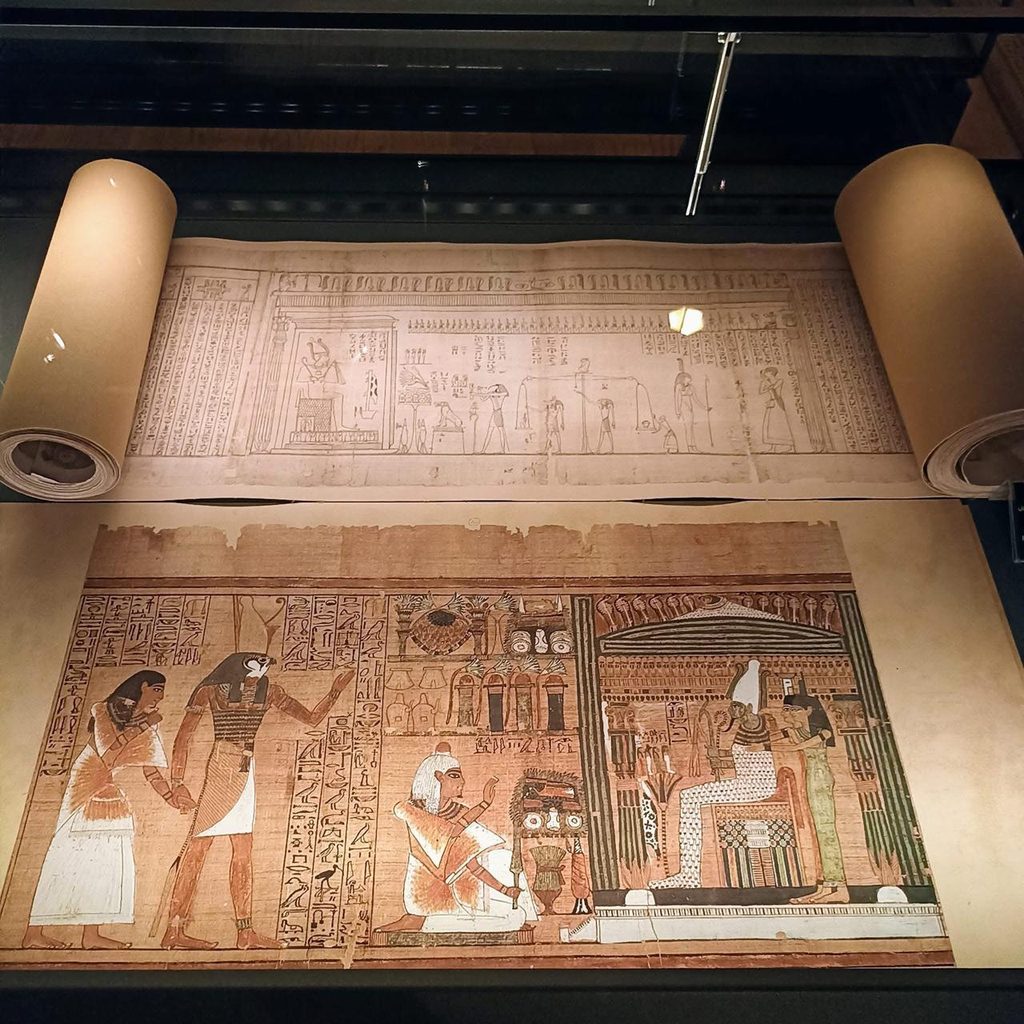
Marketing is, at its core, communicating the value of a product or service to the people who need it. Egyptian merchants used papyrus scrolls around 3000 BC to promote their goods in public markets. Roman towns had walls painted with commercial messages — some survive in Pompeii to this day, frozen mid-pitch by volcanic ash. The medieval marketplace was its own algorithm: the loudest stall, the most visible position, the freshest goods displayed front-facing. All of it was the same question answered over and over: why should you choose this?
The Industrial Revolution changed the scale. Mass production created mass surplus. Suddenly, the challenge was not making enough — it was persuading enough people to buy. Marketing became a formal discipline, and by the 20th century, Philip Kotler would give it academic structure. Today, data analytics, AI, and precision targeting have transformed the mechanics beyond recognition. But the question is still the same one a Roman merchant was answering in 100 AD: why should you choose this?
Advertising: The Art of Repetition With Intent
Advertising is communicating to convince — or confuse — the minds of consumers about certain products or services through repetition. That last word is not an accident. Repetition is the mechanism. Belief is the goal.
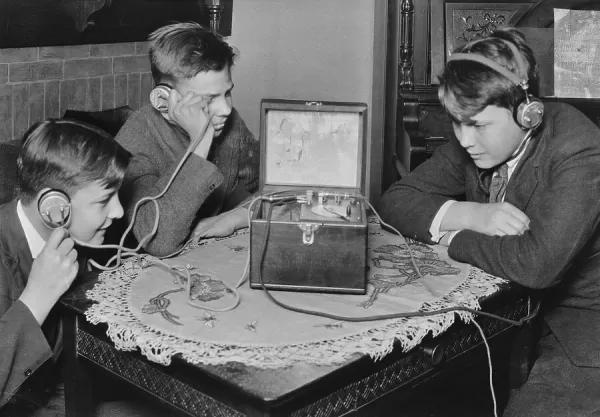
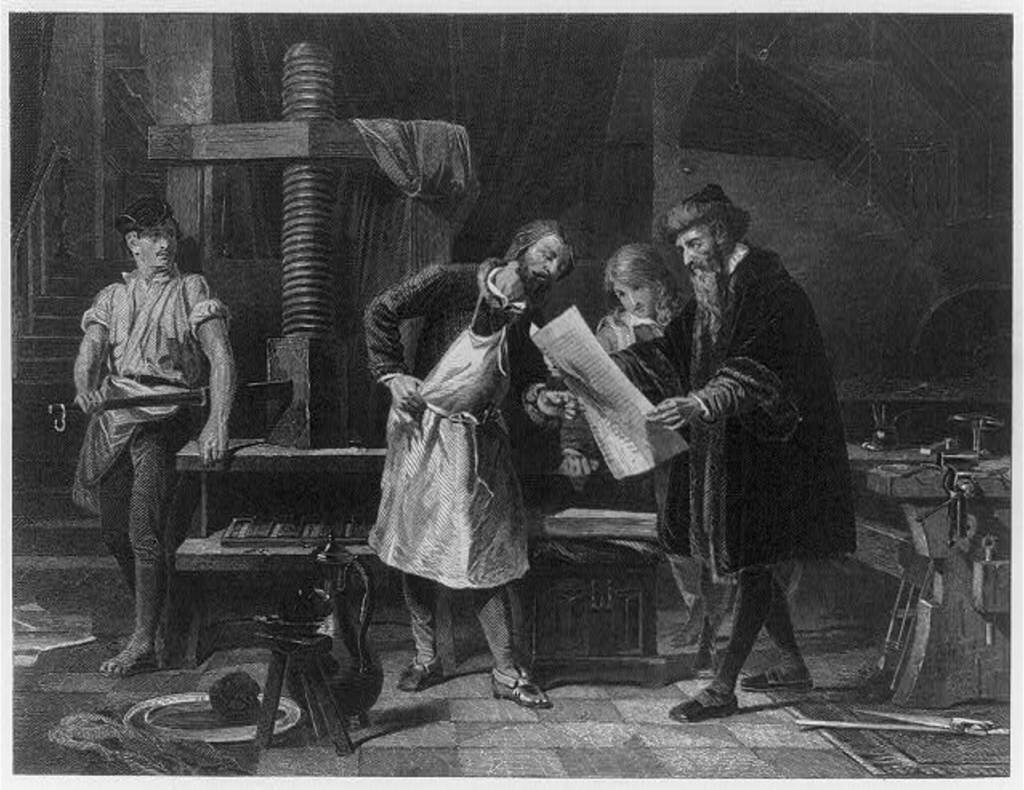
The Gutenberg printing press in 1450 gave advertising its first industrial tool. By the 1600s, the first newspaper advertisements had appeared in Europe. By the 1920s, radio brought the advertiser’s voice directly into the living room. Television in the 1950s added the face. The internet in the 1990s added interactivity. Social media in the 2000s added community — and with it, the ability to make audiences advertise to each other.
The tools exploded. The logic did not. An advertiser wants you to think of their product first. In 1700 or 2026, that job description hasn’t moved an inch.
Public Relations: The Business of Relationships
Public relations is communicating to build and maintain relationships between organisations and the people who matter to them. It is not spin. It is not propaganda. At its best, it is sustained, strategic truth-telling.
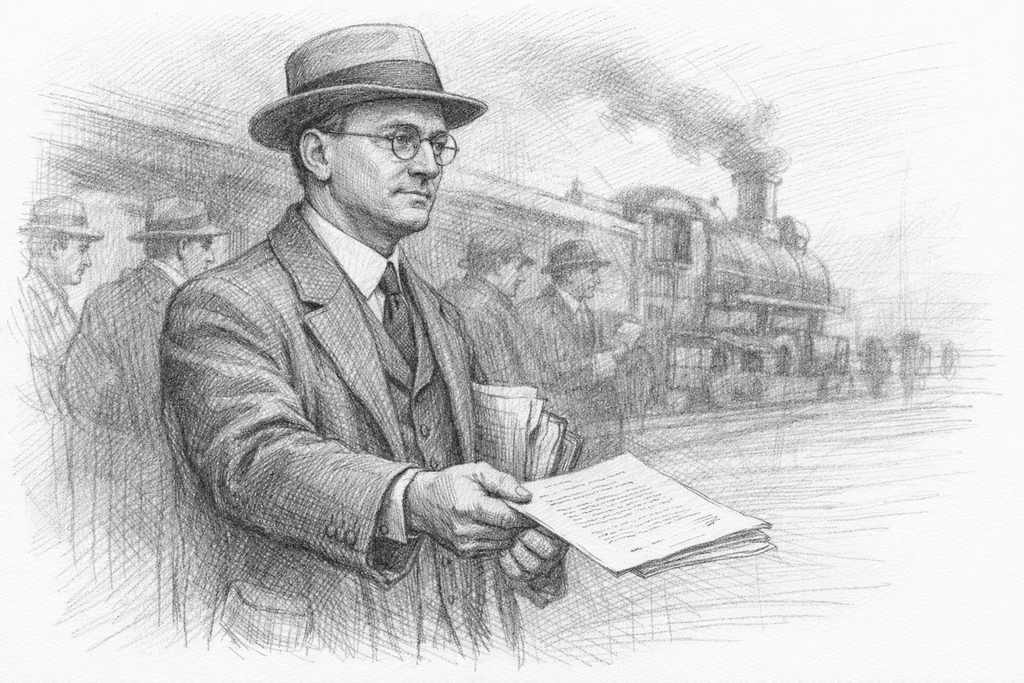
The Catholic Church ran one of history’s most sophisticated PR operations during the Crusades — managing perception across entire continents without electricity or printing. In 1906, Ivy Lee issued the first modern press release after a Pennsylvania Railroad train crash, choosing transparency over silence at a time when silence was the corporate norm. Edward Bernays — Sigmund Freud’s nephew — formalised the profession in the 1920s, borrowing from psychology to understand that people do not respond to facts alone; they respond to stories, symbols, and the sense that an organisation shares their values.
A century later, a crisis breaks on X before a PR director has read their morning emails. The relationship between an organisation and its publics now moves at the speed of a notification. But Ivy Lee’s founding logic — tell the truth, because the truth will find its way out anyway — has never been more relevant.
Journalism: The Obligation to Inform
Journalism is communicating what you believe is important for people to know as citizens of this world. That belief — that some information is too important to leave in private hands — is what separates journalism from every other communication discipline.
Caesar’s Acta Diurna was government communication dressed as news. The first genuine newspapers appeared in Europe in the early 1600s — Germany’s Relation in 1605, England’s Oxford Gazette in 1665 — and they were immediately contested terrain between power and truth. The penny press of the 1830s made news accessible to ordinary working people for the first time, democratising information much as social media would do again, 180 years later.
Today, a journalist in Mbabane can break a story that trends in Mumbai. A citizen with a smartphone can document injustice faster than any newsroom. The tools have collapsed every barrier that once kept information local. But the obligation remains: to tell people what they need to know, accurately, without fear or favour.
Branding: The Mark That Means Something
The word brand comes from the Old Norse brandr — to burn. Ancient Egyptians branded their cattle with hot irons as early as 2700 BC. Greek and Roman potters stamped their work so that buyers could identify quality and trace accountability. A mark meant: I made this. I stand behind it.
Nothing about that has changed. What has changed is the canvas. A brand mark now lives on a phone screen, a TikTok watermark, a Google search result, a coffee cup sleeve. But it still answers the same question it answered in an Egyptian field three thousand years ago: who made this, and can I trust them?

The Only Thing That Changes Is the Canvas
We are living through the most significant shift in the how of communication since Gutenberg introduced the printing press. Artificial intelligence, social media, short-form video, and real-time analytics have not invented new human needs — they have simply given those needs new places to speak and be heard.
People still want to know which product is worth their money. They still want to trust the organisations they do business with. They still want someone to tell them what is true. They still want to know whose work they can count on.
Marketing, advertising, public relations, journalism, and branding were not invented by agencies or academics. They were invented by human beings trying to reach other human beings with a message that matters. That instinct is older than any medium we have ever used to carry it.
The canvas keeps changing. The conversation never does.

Sibusiso Mngadi is the CEO and Co-Founder of Stratcom Group, an integrated marketing, communications, PR, digital strategy, and media production company based in Eswatini. Follow the conversation at stratcomeswatini.com or connect on LinkedIn.